- Our Blog
- November is TMJ Awareness Month: Is Your Jaw Trying to Tell…

November is TMJ Awareness Month: Is Your Jaw Trying to Tell You Something?
Jaw pain, clicking, headaches, and teeth grinding may be signs of a common jaw disorder. Dr. Rozanski explains the difference between TMJ and TMD, what symptoms to watch for, and how stress can impact your jaw health.
Have you ever noticed your jaw clicking when you chew, experienced soreness in your face when you wake up, or caught yourself clenching your teeth during a stressful day? These seemingly minor symptoms could be signs of a condition known as Temporomandibular Disorder (TMD).
November is TMJ Awareness Month, making it the perfect time to better understand your jaw health and recognize when something might need attention.
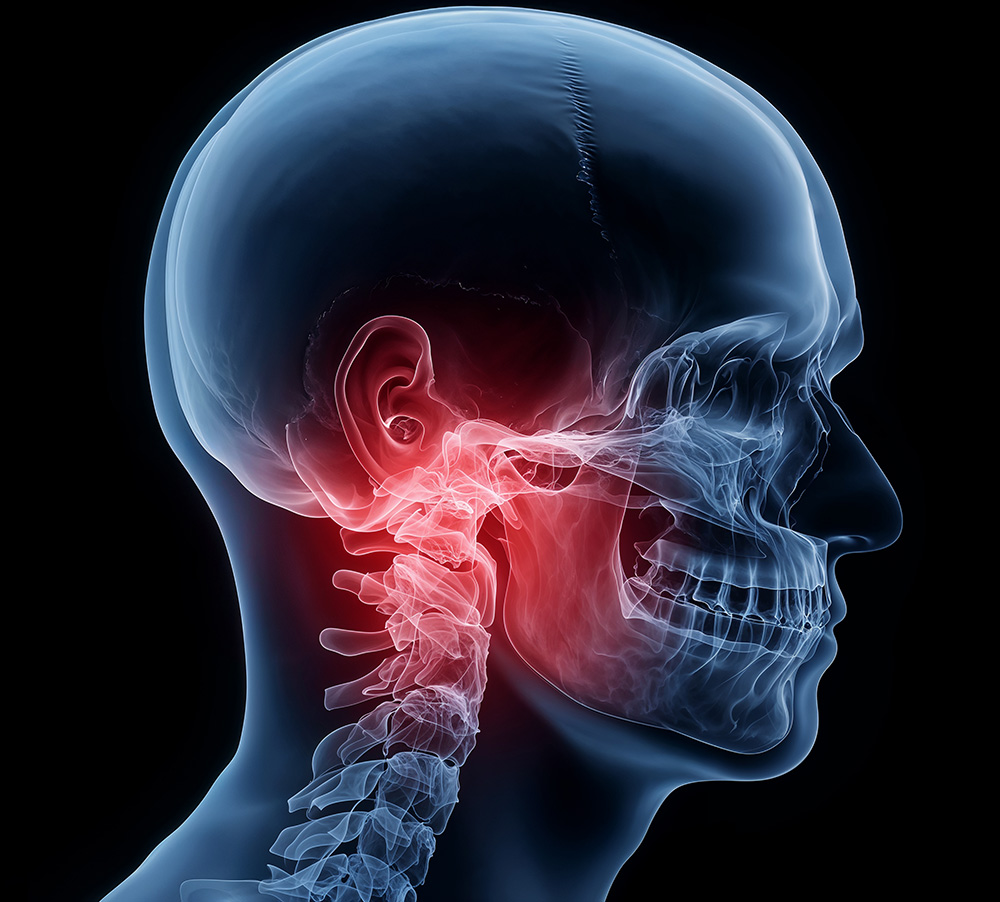 First Things First: It's TMD, Not TMJ!
You've probably heard someone say, "I have TMJ." But here's something that might surprise you: Everyone has TMJ!
The temporomandibular joint (TMJ) is the joint connecting your lower jaw to your skull, allowing you to talk, chew, yawn, and smile. Temporomandibular Disorder (TMD), on the other hand, refers to conditions affecting that joint and the surrounding muscles.
"One of the biggest misconceptions is that TMJ is the condition itself," explains Dr. Rozanski. "TMJ is actually the joint. TMD is the disorder that can cause pain, clicking, and other symptoms."
Common Signs and Symptoms of TMD
TMD can affect people differently, with symptoms ranging from occasional discomfort to persistent pain. Common warning signs include:
- Clicking, popping, or discomfort when opening your mouth
- Jaw pain or difficulty opening your mouth wide
- Facial soreness, particularly in the morning
- Frequent headaches or migraines
- Teeth clenching or grinding, especially during sleep
While headaches and migraines can be associated with TMD, they aren't necessarily caused by it. Similarly, not everyone who grinds their teeth has TMD.
 Could Stress Be Affecting Your Jaw?
Absolutely! Stress doesn't just affect your mental well-being. It can also have a significant impact on your oral health.
During stressful periods, people may unknowingly clench their jaws or grind their teeth, placing additional strain on the jaw muscles and joints.
"Stress can absolutely contribute to jaw pain and muscle tension," says Dr. Rozanski. "We often see patients experiencing increased clenching or grinding during stressful periods in their lives."
Managing stress, recognizing daytime clenching habits, and maintaining healthy sleep routines can all play a role in reducing jaw discomfort.
What Can You Do About TMD?
The good news is that not every case of TMD requires extensive treatment.
At Rozanski Family Dentistry, Dr. Rozanski evaluates symptoms through clinical examinations and, when appropriate, X-rays to better understand the condition of the jaw joint.
Depending on the severity, recommendations may include patient education, lifestyle adjustments, or oral appliances designed to help manage symptoms. More complex cases may require referral to an orofacial pain specialist.
While some TMD symptoms can improve with conservative care, persistent or severe cases may require ongoing management. Surgery is generally reserved for uncommon, severe situations.
Let's Talk About Your Jaw Health!
This November, pay attention to what your jaw might be telling you. Whether you're experiencing clicking, morning soreness, or unexplained jaw discomfort, understanding your symptoms is the first step toward finding relief.
At Rozanski Family Dentistry, we're committed to helping patients understand the connection between their oral health and overall well-being.
Experiencing jaw discomfort? Schedule an appointment with our team and let's get you smiling comfortably again!
Related Posts

- General & Preventive Care

- General & Preventive Care

- General & Preventive Care

- General & Preventive Care

- General & Preventive Care