- Our Blog
- April is Oral Cancer Awareness Month

April is Oral Cancer Awareness Month, an important reminder that dental visits are about more than just clean teeth, they also play a critical role in protecting your overall health.
At Rozanski Family Dentistry, routine dental exams include oral cancer screenings, which help detect early signs of abnormalities in the mouth, throat, and surrounding tissues.
Oral cancer affects thousands of Americans each year. According to the American Cancer Society, more than 60,000 Americans are diagnosed annually with oral or oropharyngeal cancer. The encouraging news is that early detection significantly improves survival rates, which is why routine screenings are so important.
Many early symptoms are subtle or painless, meaning patients may not notice anything unusual until the condition has progressed. Regular dental exams allow trained professionals to identify potential concerns early, often before symptoms appear.
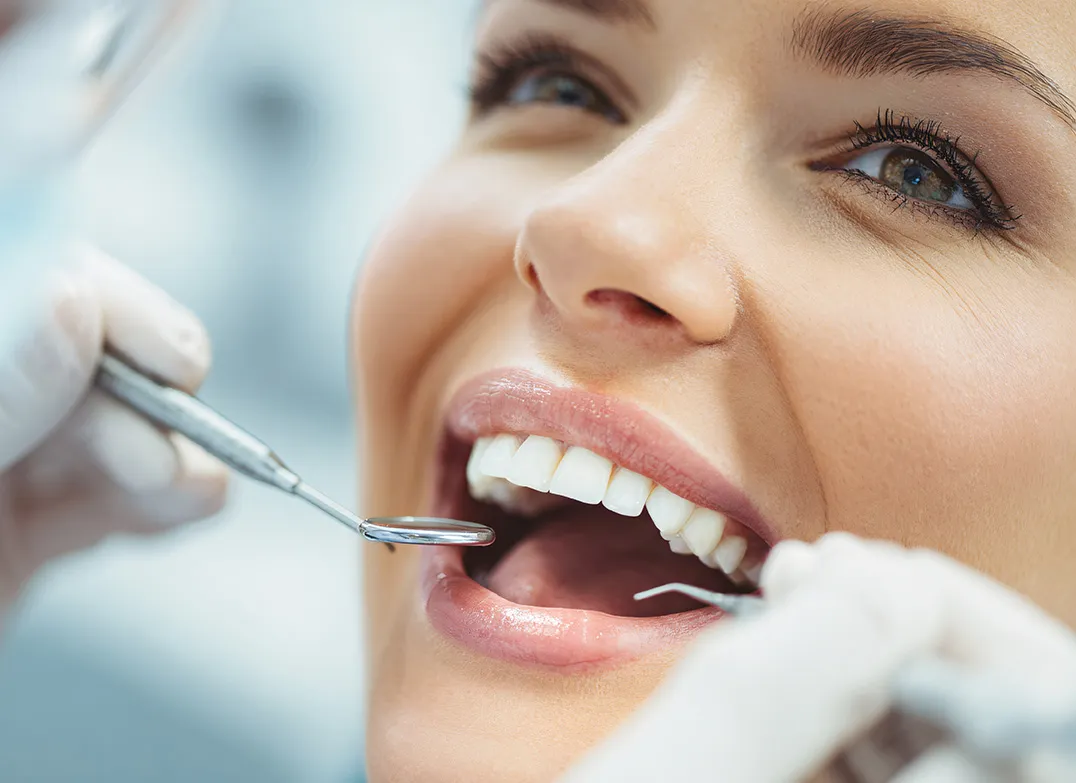 What Happens During an Oral Cancer Screening?
An oral cancer screening is quick, painless, and part of a comprehensive dental exam.
During the screening, your dentist or hygienist carefully examines the soft tissues of the mouth and neck, looking for signs of abnormalities that could indicate early disease.
Typical screening steps include:
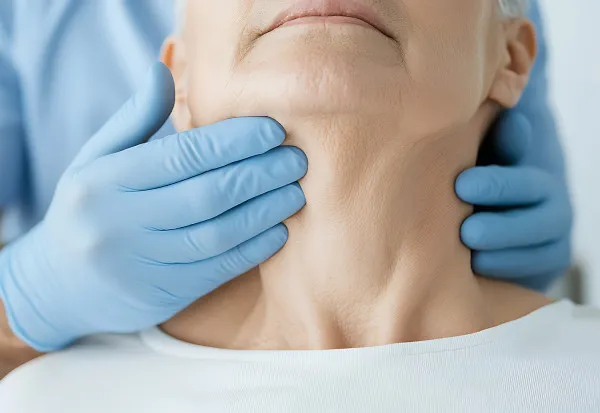
- Checking lymph nodes in the neck for swelling.
- Examining the tongue, cheeks, gums, and roof of the mouth.
- Looking for unusual sores, white or red patches, or discoloration.
- Evaluating the sides and back of the tongue, where oral cancer commonly appears.
- Documenting suspicious areas with digital photography to monitor changes.
At Rozanski Family Dentistry, oral cancer screening is integrated into every routine dental visit because early detection is key to successful treatment.
“Many patients don’t realize that a routine dental exam includes screening for oral cancer,” says Dr. Rozanski. “These screenings allow us to look beyond the teeth and examine the soft tissues of the mouth and neck. Detecting changes early can make a significant difference in treatment outcomes.”
 Signs of Oral Cancer Patients Should Watch For
Although many oral health issues are harmless, certain symptoms should never be ignored.
Patients should contact their dentist if they notice:
- A mouth sore that does not heal within two weeks.
- White or red patches inside the mouth.
- Lumps or swelling in the mouth or neck.
- Persistent sore throat or difficulty swallowing.
- Numbness, tenderness, or unexplained pain in the mouth.
- Changes in the appearance of the tongue or oral tissues.
While some spots or sores may result from irritation or minor injury, persistent changes require professional evaluation.
“Oral cancer can develop quietly, which is why awareness and regular dental visits are so important,” explains Dr. Rozanski. “If a sore or spot in your mouth doesn’t heal within two weeks, it’s always best to have it evaluated. Early attention gives us the best chance to address any issues quickly.”
 Caring for Mouth Sores and Irritated Tissues
Occasional mouth ulcers or irritation can happen due to stress, minor trauma, or accidental biting. In many cases, these sores heal naturally.
To support healing, dentists recommend:
- Practicing gentle oral hygiene.
- Avoiding spicy or acidic foods that may irritate the area.
- Keeping the area clean but avoiding aggressive brushing.
- Monitoring the sore for changes.
If a sore does not heal within two weeks, your dentist may recommend further evaluation or referral to an oral surgeon for biopsy.
Common Myths About Oral Cancer
Many patients have questions about what causes oral cancer and what does not.
One common myth is that mouth guards or retainers increase oral cancer risk. There is no scientific evidence linking dental appliances to oral cancer.
However, certain factors are known to increase risk, including:
- Tobacco use (smoking or chewing tobacco).
- Heavy alcohol consumption.
- HPV (human papillomavirus) infection.
- Chronic irritation or trauma in the mouth.
Understanding these risk factors helps patients make informed decisions about their health.
Why Regular Dental Visits Are So Important
One of the most important benefits of routine dental care is early detection of potential problems before they become serious.
At Rozanski Family Dentistry, oral cancer screenings are performed by both hygienists and dentists as part of every comprehensive dental exam.
These screenings evaluate all tissues of the mouth—not just the teeth—ensuring that abnormalities are identified and monitored when necessary.
Serving patients throughout the Mohawk Valley, the team at Rozanski Family Dentistry is committed to helping patients maintain healthy smiles and overall wellness.
FAQs
What are the early signs of oral cancer?
Early signs of oral cancer may include sores that do not heal within two weeks, red or white patches in the mouth, swelling or lumps in the mouth or neck, numbness, or difficulty swallowing. If you notice any persistent changes, you should contact your dentist for an evaluation.
How do dentists screen for oral cancer?
Dentists screen for oral cancer by examining the tissues of the mouth, tongue, throat, and gums, and by checking the lymph nodes in the neck. During the exam, they look for unusual sores, discoloration, swelling, or lesions that may require monitoring or further evaluation.
How often should you get an oral cancer screening?
Oral cancer screenings are typically performed during routine dental exams, which most patients should schedule every six months. Regular screenings help detect abnormalities early, even before symptoms develop.
What increases the risk of oral cancer?
The most significant risk factors include tobacco use, heavy alcohol consumption, certain HPV infections, and chronic irritation in the mouth. Lifestyle habits such as smoking or chewing tobacco significantly increase oral cancer risk.
Is oral cancer screening painful?
No. Oral cancer screenings are quick, non-invasive, and painless. Your dentist simply examines the mouth and neck for abnormalities as part of your routine dental visit.
Related Posts

- General & Preventive Care

- General & Preventive Care

- General & Preventive Care

- General & Preventive Care